

How To Budget For A New Car? Tips & Advice

Smart Car Budgeting: A Step-by-Step Guide
Buying a new vehicle from Ken Wilson Ford is exciting, but it is also a big financial decision. Long before you pick colors or compare trim level options, you should think through how to budget for a new car in a way that fits your life and your future plans. When you look beyond the sticker price and focus on your own numbers, you can keep car shopping focused on a realistic budget instead of guesswork.
This step-by-step guide walks car buyers in Canton, NC, through how to budget for a new car using clear, practical steps. You will look closely at your monthly income and expenses, understand the total cost of the vehicle, compare financing options, and prepare for ongoing expenses such as fuel costs, auto insurance, and routine maintenance costs. With a solid plan in place, you can visit Ken Wilson Ford knowing how much to spend on a new car and move forward with confidence.
Start With Your Income and Everyday Bills
The first step in learning how to budget for a new car is to understand your cash flow. Begin by adding up your monthly take-home pay from all sources, including wages, side income, and any regular deposits into your bank account. Looking at monthly income alongside your annual income helps you see the full picture of your financial situation instead of focusing on a single paycheck.
Next, list out your recurring monthly expenses. Include housing, utilities, groceries, subscriptions, child care, and payments on credit cards, student loans, and other obligations. Once you see how much is already committed each month, you can start shaping a monthly budget that includes room for a monthly car payment without crowding out other priorities. Many drivers in Canton, NC, find it a good idea to keep transportation within a set slice of their spending so car-related expenses do not overwhelm the rest of their goals.
A common good rule you will see in financial advice is to keep all car costs, including fuel expenses, insurance costs, and parking, within a reasonable share of your income. That guideline serves as a good rule of thumb as you decide how to budget for a new car, leaving space for a savings goal and an emergency fund. If the numbers feel tight, adjusting expenses before starting a vehicle purchase can make the entire plan more comfortable.
See the Full Price Beyond the Window
Once your income and bills are clear, the next step in budgeting for a new car is understanding the full cost of car ownership. The sticker price or suggested retail price on a vehicle at Ken Wilson Ford is an excellent starting point. To understand the total cost, you also need to factor in sales tax based on the local tax rate, registration fees, documentation charges, and other additional costs that show up on the final paperwork.
From there, shift your focus to ongoing expenses that you will face during the life of the loan. Ownership costs, such as auto insurance, routine oil changes, tires, brakes, and other maintenance, all play a role in the vehicle’s cost over time. Fuel economy matters, too; a vehicle with strong fuel efficiency will keep fuel costs and fuel expenses more predictable, while a less efficient model may raise car costs each month.
If you are comparing car models or different model years, look at how their ownership costs and projected resale values differ. A vehicle with a reputation for durability and solid resale value can help you protect the car’s trade-in value when you return to our Ford dealer in Canton, NC, for your next vehicle. Working these details into how to budget for a new car keeps the focus on long-term value, not just today’s price tag.
Plan Your Down Payment and Financing Strategy
With the big-picture costs in mind, the next step in how to budget for a new car is shaping your down payment and financing plan. If you currently own a car, its trade-in value can lower the upfront cost. Knowing this number in advance lets you predict the loan amount you will need to cover the remaining cost of the vehicle.
Your credit score and credit history will influence your loan interest rate, available loan term choices, and approval with different lenders. Many shoppers apply with a local credit union, their own bank, and Ken Wilson Ford to compare financing options, including offers from third-party institutions. It is helpful to see how a 48-month loan, 60-month loan, or even a longer-term loan changes both the monthly car payment and what you pay over the life of the loan.
As you think through how to budget for a new car, consider whether a larger down payment fits your savings goal. A higher upfront cost can reduce loan payments and loan interest over time, which can free space in your monthly budget for other goals. If the numbers feel tight, it may be wise to give yourself more time to save before committing to a vehicle purchase, especially if you are working toward your first car and still building credit.
Use Online Tools, Credits, and Calculators
Before you visit our Ford dealer in Canton, NC, online resources can help you see how to budget for a new car in real numbers instead of rough estimates. Start with an auto loan calculator or car affordability calculator and enter the sticker price, estimated sales tax, registration fees, and a likely interest rate based on your credit score, then compare those results with our online payment calculator tool to see how different vehicles and loan terms affect your monthly car payment. Adjust the loan term to see how a shorter schedule compares with a longer one and how each affects your monthly budget and overall car costs, so you can narrow in on a price range that feels realistic for your new car without straining your financial situation.
As you compare car models, note differences in safety features, trim level, model year, and fuel economy. These factors can influence insurance premiums, ownership costs, and even future resale value. Keeping notes on how each option fits your price range helps you fine-tune how to budget for a new car that aligns with both your financial situation and your driving needs at Ken Wilson Ford.
Choose the Right Vehicle
Once your numbers are in place, you’ll be ready to bring how to budget for a new car into real life on the lot at Ken Wilson Ford. Share your target monthly budget, price range, and preferred loan term with our team so they can guide you toward car models that make sense. Whether you are shopping for your first car or upgrading your current ride, staying honest about your limits helps you focus on the right options.
During car shopping, think about how you will use your new vehicle day to day in Canton, NC. Consider commute length, traffic patterns, weather, and how often you carry passengers or cargo. For some car buyers, compact options with strong fuel efficiency and lower car-related expenses are a smart fit. Others may look at crossovers, trucks, or electric vehicles that support hobbies, family needs, or work demands while still matching how to budget for a new car.
Don’t forget to think ahead to your next vehicle, as well. A model with solid market value and predictable ownership costs can make it easier to trade in your new vehicle in the future. That future trade-in value becomes part of your plan for how to budget for a new car again when it is time to upgrade.
Prepare For Insurance and Local Details
Another key part of how to budget for a new car is understanding how insurance fits into your plan. Before you finalize anything, request quotes from more than one insurance provider. Insurance rates and insurance costs will depend on your driving record, the vehicle you choose, and the safety features it offers. Comparing auto insurance quotes side by side can reveal how car prices and trim level choices influence premiums.
As you review policies, confirm how insurance premiums might change over time and how they fit alongside your other monthly expenses. Building those numbers into how to budget for a new car keeps your plan grounded in reality. You will also want to think about vehicle ownership details such as where you park, how many miles you drive annually, and any car-related expenses that are specific to where you live, like tolls or city parking permits.
Finally, make sure your paperwork expectations line up with your budget. Ask our team at Ken Wilson Ford to walk you through every line item, including sales tax, tax rate, fees, and any additional costs tied to protections or warranties. When you see the entire structure of the cost of the vehicle and understand exactly how to budget for a new car, you can sign with confidence knowing your plan fits your bank account and your long-term goals.
Put Your Plan Into Action
By taking time to learn how to budget for a new car around your real numbers, you turn a big purchase into a thoughtful step in your financial life. You’ll have looked at monthly income, monthly expenses, and annual income, and have shaped a realistic budget that respects your savings account and emergency fund. You’ll understand how loan amount, loan term, and interest combine with taxes, fees, and ongoing expenses to create the total cost of car ownership.
When you bring that work to Ken Wilson Ford, you can focus every conversation on how to budget for a new car that fits your priorities instead of reacting in the moment. Whether you are choosing your first car or planning your next vehicle, your preparation helps ensure that your new car supports your lifestyle, your savings goal, and your long-term vehicle ownership plans in Canton, NC.
How Do You Get A Lower Monthly Car Payment?

How Your Tax Refund Can Help You Drive Home With a Lower Car Payment
At Ken Wilson Ford, we meet a lot of drivers who look at their statement and immediately wonder, “how do I lower my monthly car payment?” If you are expecting a tax refund this year, it can be a powerful tool for reshaping your car loan payment and overall personal finance plan. Many shoppers search online for how to get a lower car payment, but the real answers depend on your unique financial situation, your current car, and where you are in the car-buying process. Our goal is to walk you through practical, real-world ways to turn that refund into a smarter car purchase or refinance so you can feel more confident every time you make payments.
Whether you are shopping for a new car, thinking about a reliable used car, or looking to adjust an existing loan, your refund can act like an instant larger down payment or a targeted lump sum toward what you already owe. Using that amount of money wisely can reduce your monthly costs, cut the amount of interest you pay over time, and ease the financial burden that comes with keeping a vehicle in your budget while you stay focused on how to get a lower car payment that truly fits your life.
What a Lower Monthly Payment Really Means for You
When you ask us how to get a lower car payment, we start by looking at the numbers behind your monthly loan payment. The key ingredients are your total loan amount, interest rate, loan term, and any taxes or fees that were rolled into your car purchase. Changing even one of these pieces can unlock a lower monthly payment, but each choice affects the overall cost of the vehicle in a different way.
A larger down payment using your tax refund immediately reduces the loan amount and the principal balance, which means you are financing a smaller remaining balance from day one. That can help you qualify for a lower interest rate or a lower rate overall and pay less interest across the full time frame of your contract. If you choose a longer loan term, you will usually see a lower payment each month, but a longer term also increases the amount of interest you pay. A shorter term loan often carries a higher monthly bill, yet it can be a good idea if your goal is to pay less interest and own the vehicle free and clear sooner, especially if your top priority is how to get a lower car payment over the life of the loan.
Your credit report also plays a big part. Drivers with a higher credit score or even excellent credit often qualify for strong auto loan rates, while shoppers with lower credit may face higher interest rates at first. The good news is that as you stay in good standing on your account and avoid missed payments, your profile can improve over time, and that opens doors for future changes that support how to get a lower car payment.
Turning Your Tax Refund Into a Powerful Down Payment
One of the simplest answers to how to get a lower car payment is to bring more money to the table on day one. When you apply your tax refund as part of a larger down payment on a new vehicle or on used vehicles that fit your lifestyle, you shrink the loan amount and reduce the remaining loan balance before you even drive off the lot. That can also reduce the sales tax you pay on your car purchase, depending on how your deal is structured in Canton, NC.
Your refund can team up with the trade-in value from your current car to build that down payment. Using tools such as Kelley Blue Book helps you estimate your car’s current value and car’s value so you can walk into the showroom informed and ready to negotiate. If you can sell your vehicle through a private sale for more than the trade figure, that extra cash can go straight toward your down payment and move you closer to your goal of how to get a lower car payment.
In some cases, using part of your refund to pay down your existing loan is the smart move. Reducing your principal balance ahead of schedule can lessen the negative impact of being upside down on the vehicle and may qualify you for gap insurance or strong refinancing terms sooner. Before you do this, talk with our team at Ken Wilson Ford about any prepayment penalties in your contract, so you know exactly how much of your tax refund is going toward how to get a lower car payment instead of fees.
Using Your Tax Refund to Restructure or Refinance
If your vehicle already fits your needs but the payment doesn’t, your tax refund can help you refinance your auto loan to reshape the terms of your agreement. By paying down part of the balance and then applying for a new loan with different lenders, you may qualify for a lower interest rate. This strategy is especially helpful if you started with a high interest rate due to bad credit, and you have since worked hard to rebuild your profile and learn how to get a lower car payment going forward.
When you sit down to talk with your current lender, they will review your credit report, your recent payment history, and whether you are in good standing. A stronger credit history, fewer hard inquiry entries, and an improved credit score can all make it easier to secure a lower car payment through updated terms. We can also help you compare offers from a local credit union, banks, and other financial institutions so you can see how to get a lower car payment without taking on more risk than you are comfortable with.
Changing the structure of your loan can take several forms. Some drivers look for a loan modification with their existing lender, which might adjust the loan term, payment due date, or fees to ease short-term pressure. Others prefer classic refinancing, choosing a longer loan term to create a lower monthly payment or opting for a shorter term that focuses on paying less interest in the long run. Either way, your tax refund can reduce the remaining balance first, so you end up paying less interest on a smaller principal over the life of the agreement, and stay focused on how to get a lower car payment that fits your budget.
Deciding Whether to Trade, Keep, or Upgrade Your Vehicle
For some guests, the best way to improve their budget is to rethink the vehicle itself. That might mean trading in for one of our top picks of fuel-efficient used vehicles, choosing a modest new vehicle instead of a fully loaded model, or even paying down an existing loan and driving your current car for a few more years. Your tax refund can help with any of these paths, whether you want to boost your trade-in value, reduce your remaining loan balance, or simply save for upcoming maintenance so you can make payments on time while still working toward how to get a lower car payment that feels realistic month after month.
As you compare options, we will walk you through the car-buying steps from a budget-first angle. Together, we can look at your monthly loan payment, expected monthly costs like fuel and insurance, and how your tax refund can lower the car loan payment itself. We also talk through whether you want a short-term plan to simply get through a tough season or a longer loan term that prioritizes a lower monthly payment for the long haul. All of this fits into a bigger car-buying strategy focused on how to get a lower car payment, not just this year but over the life of the vehicle.
Another simple way to lower your car payment over the life of the loan is to use your tax refund to make a few extra payments throughout the year. Even small additional amounts applied directly to principal can shorten your term, reduce the amount of interest you pay, and give you flexibility if you ever face a tight month later on, while still aligning with your plan for how to get a lower car payment in the long run.
Putting It All Together at Ken Wilson Ford
When you are ready to talk through how to get a lower car payment with your tax refund, our team will start with a simple conversation about your goals. Are you hoping to refinance an existing loan, exploring a new auto loan for a different model, or curious whether a loan modification could help you stay in good standing with your current lender? Do you want to focus on less interest paid, a lower interest rate, or a shorter term that clears the balance quickly? Your answers guide us toward the combination of car purchase choices and financing options that match your financial position.
We also explain how different lenders look at your credit report, credit history, and recent activity. If you are aiming for a refinance in the near future, making on-time payments, avoiding new hard inquiry marks unless necessary, and keeping your accounts in good standing can all improve your chances of qualifying for a lower rate. Over time, this can translate into a noticeably lower car payment and give you more room in the budget for other priorities tied to lowering your car payment. Your tax refund is a powerful tool, and when you pair it with clear advice, it can move you closer to how to get a lower car payment in several ways at once. Whether that means putting the money toward a larger down payment on a new car, using it to chip away at the principal balance on an existing loan, or exploring auto refinancing with a credit union or other financial institutions, our team is here in Canton, NC, to help you choose the path that feels like a good option for your life.
Should You Put A Down Payment On A Car? Pros & Cons

Making A Down Payment On A Car: Saving On Your Monthly Payment
When tax season hits and that refund lands in your account, it is completely normal to start wondering if you should put a down payment on a car or keep that cash tucked away. For many car buyers, that once-a-year money is the perfect excuse for a new car purchase or an upgrade to a newer, safer model. The key is deciding whether turning your tax refund into a payment for a car is a smart financial decision for you.
A down payment shapes your monthly car payment and the total cost of the vehicle over the life of the loan. Whether you are eyeing a new vehicle or a used car, using your tax refund as part of the down payment can change your loan balance, loan-to-value ratio, and even the annual percentage rate you qualify for. In other words, answering the question, “Should you put a down payment on a car with your tax refund?” can have a big impact on both your short-term budget and your long-term personal finance goals. This guide from Ken Wilson Ford will help you weigh the pros and cons of a large down payment on a car before you make the drive to Canton, NC, and start the car-buying process.
What Is a Down Payment and Why Does It Matter?
A down payment is the initial amount of money you pay up front when purchasing your car. This upfront payment reduces the cost of the vehicle you need to finance, which lowers the loan balance and the payment amount you will owe each month. Whether you are buying a new car or shopping for used vehicles, your down payment can come from cash, your tax refund, the trade-in value of your old car, or a combination of all three.
By putting money down at the time of your vehicle purchase, you signal commitment and stability to lenders who are reviewing your credit history, credit rating, and overall financial situation. They usually see a substantial down payment as lower risk, which can lead to better loan terms and a low interest rate or lower rate compared to someone who puts less money down. For borrowers with excellent credit, a strong down payment can help unlock the very best financing options the lender offers.
If you are asking yourself whether you should put a down payment on a car with your tax refund, remember that those dollars can instantly improve the value ratio between the loan and the car’s value. A stronger loan-to-value ratio not only improves your loan conditions but can also help you qualify for better terms in the future when you shop for your next car.
How Down Payments Affect Car Financing
Making a down payment changes your car financing in several important ways, and there’s much to consider in deciding if you should put a down payment on a car. First, it lowers monthly payments by reducing the principal you borrow. A smaller balance means a more manageable monthly loan payment that is easier to fit into your monthly income. For many drivers, this is the biggest reason they decide to put a down payment on a car instead of financing the entire price.
Second, a down payment improves the loan-to-value ratio. Since lenders are financing less money relative to the car’s value, they see the loan as less risky. That can translate to a lower interest rate, fewer payment requirements, and sometimes a shorter loan term if you choose to pay the car off more quickly. Over the long run, this typically reduces overall interest paid on the loan.
A healthy down payment also helps you avoid negative equity, where you owe more than the cash value of the car. When deciding if you should put a down payment on a car, you should remember that negative equity is more likely with long car loan terms and higher interest rates, especially if you have bad credit or a low credit score. Once again, that tax refund can help you decide if it is better to put more money down on a car now so that you are better protected later.
Benefits of Making a Down Payment With Your Tax Refund
Using your tax refund as a down payment on your new vehicle or used car offers several built-in benefits. An immediate perk is a lower monthly payment on your car, which frees up room in your budget. That extra breathing space can be redirected toward building an emergency fund, paying down a student loan, tackling high-interest credit card balances, or anything else that helps your financial situation.
A down payment can also help you qualify for a better interest rate, especially if lenders see a pattern of responsible behavior in your credit history and credit rating. When they see you are willing to bring a sizable down payment from your own funds, such as your tax refund, they may offer a more competitive annual percentage rate. Over the life of the loan, this means less interest and lower total cost. In many cases, it simply makes financial sense to direct some of that refund toward your car payment, and whether you should put a down payment on a car.
There is also a big asset protection benefit, as cars tend to depreciate quickly, particularly in the first years after a new car purchase. Putting money down helps you stay ahead of that depreciation. If you ever need to sell or trade in early, a strong down payment reduces your risk of being upside down on the loan. When you think through whether you should put a down payment on a car using your refund, this early equity is one of the most underrated benefits.

How Much Should You Put Down on a Car?
General Rules for New and Used Cars
A general rule many experts use is 20% down on a new car and 10% down on a used model. For a new vehicle, a 20% down payment is considered a good down payment because it offers protection from rapid depreciation and can help secure favorable loan terms. For a used car, a 10% down payment often balances a comfortable upfront cost with solid loan conditions, especially when the average price of the car is lower.
If you are debating whether you should put a down payment on a car or keep more cash in the bank, your tax refund can act like a shortcut to those percentages. For example, if your refund equals about 10% of the car’s price, you already have a strong starting point, and you can add your trade-in value to build an even stronger down payment.
Factors to Consider for a Good Down Payment
Even when you know roughly what a good down payment looks like, it is important to consider the size of your down payment in the context of your entire financial situation. Your savings account, emergency savings, and existing debts all influence whether a large down payment is a good idea for you right now.
You might start with a simple question: “How much should a car down payment be for my budget?” An auto loan calculator can help you see how the size of your down payment changes your monthly loan payment, car loan length, and overall interest paid. Accessing our convenient online calculator can help you get an idea. Looking at these numbers side by side can make it much easier to decide whether you should put a down payment on a car with your refund or keep some of that money liquid for other priorities.
The Pros and Cons of a Large Down Payment
A bigger down payment can feel empowering, but there are real trade-offs worth weighing. Understanding whether it’s better to put more money down on a car keeps you from making a decision based on emotion alone.
On the positive side, a large down payment or substantial down payment typically means a lower monthly payment, less interest over the life of the loan, and a better loan-to-value ratio. All of this can help you secure better loan terms, protect against negative equity, and enjoy more predictable costs in the long run. Many car buyers who can bring a large down payment from a tax refund appreciate how it lowers monthly payments and gives them more room in the rest of their budget.
However, there are also disadvantages to a large down payment on a car. Tying up too much of your tax refund in your car can leave you short on emergency savings, which may create stress if a job change, medical bill, or home repair pops up. Another downside is that putting a large amount into a rapidly depreciating asset can limit how quickly you build wealth elsewhere. When you ask yourself again whether you should put a down payment on a car as big as possible, remember that there is such a thing as putting down too much, especially if it empties your safety net.
Leasing vs. Financing and Your Tax Refund
Leasing and financing treat down payments using tax refunds a little differently. With leasing, your tax refund might cover your upfront costs, the first few payments, or reduce the payment amount slightly. Since leasing is essentially renting, you do not build equity, and your primary focus is usually keeping your monthly car payment low and predictable.
Financing, on the other hand, turns that refund into real equity. When you finance and decide that you should put a down payment on a car using your refund, you are choosing to own the vehicle at the end of the term. A stronger down payment when financing can help you secure favorable loan terms, shorten your car loan length, and reduce overall interest paid. Since a car loan is a financial product, you want to structure it in a way that aligns with how long you plan to keep the vehicle and how much flexibility you want in the rest of your budget.
In both cases, understanding the average price of the models you are considering and how the down payment changes your monthly car payment is essential. Our dealership will walk you through the numbers so you can see exactly how your tax refund affects each scenario before you decide whether you should put a down payment on a car with it.
Ready to Put a Down Payment on a Car With Your Tax Refund?
Truthfully, there is no single answer that fits every driver. For many people, using at least part of a tax refund for a down payment is a good idea, especially if it helps avoid negative equity and brings lower monthly payments within reach. Before you decide definitively whether you should put a down payment on a car with all or part of your tax refund, take a moment to compare offers, consider different financing options, and run the numbers.If you want to keep digging into these topics, visit Ken Wilson Ford’s finance team for more resources on down payments, interest rates, and budgeting for your next car. With the right information in hand, you can turn this year’s tax refund into a smart move for both your car and your overall financial health. Visit us today in Canton, NC!

Your Tax Refund, Your Dream Drive
Tax season is here, and it’s the perfect time to take advantage of tax season car deals. Whether you’re looking for a new vehicle or exploring pre-owned cars, this time of year brings plenty of special offers and incentives for car buyers. From cash back options to lower interest rates, there’s never been a better time to upgrade to your next vehicle. Car dealerships will often roll out their best deals during tax time, making it easier to find the perfect vehicle for your needs. With opportunities to use your income tax return for a down payment or explore financing options, tax season offers an ideal chance to save on a new car, SUV, truck, or a reliable pre-owned vehicle. Shop our current specials and latest offers at Ken Wilson Ford to get the best price and drive away with a great deal.
Why Tax Season Is the Best Time to Shop for a New Ride
Use Your Income Tax Return Wisely
Tax season is a great time to put your income tax return to good use by investing in your next vehicle. Applying extra money from your tax refund toward a down payment can significantly lower the purchase price or monthly payments for your new ride. This approach can make owning your dream car more affordable while giving you a fresh start for the year. Whether you’re searching for a new vehicle or a pre-owned vehicle, using your tax refund strategically can maximize your savings during the car-buying process.
Special Tax Season Offers at Ken Wilson Ford
Limited-time offers are often introduced during tax season to attract car shoppers. Our current offers may include cash-back incentives, lease offers, and low-interest financing options. Taking advantage of these special deals can help you find the perfect vehicle at a lower cost, whether it’s new or pre-owned.
With a wide selection of models available, tax season is the perfect time to explore vehicles that suit your personal use. From compact sedans and family-friendly SUVs to powerful trucks, we stock new inventory and certified pre-owned cars to meet every need. At Ken Wilson Ford, you’ll also have year-round access to our Crossroads 3 On Us VIP New Vehicle Purchase Program, offering you exclusive benefits including:
- 3 Lube, Oil, & Filter Services with Fluid Top-Off
- 3 Multi-Point Vehicle Inspections with Battery Inspection
- 3 Tire Rotations to prolong your tire life
You’ll be able to enjoy each of these when you purchase a new vehicle from us.
Fill out a credit application today to get started and speak with our team about getting the most out of car deals during tax season. Don’t miss the opportunity to secure a great deal while these offers last!

Explore the Best Deals on New and Used Vehicles
If you’re in the market for a new vehicle, tax season is the ideal time to browse the latest models. Search vehicles equipped with cutting-edge technology and advanced safety features designed to enhance your driving experience. Once you’ve found a model that fits your needs, schedule a test drive to ensure it’s the perfect vehicle for you. A test drive helps you experience the car’s performance, comfort, and features firsthand. With tax season car deals in full swing, now is the best time to upgrade to a new ride that checks all your boxes.
Pre-Owned Cars and Trade-In Opportunities
For those seeking value and reliability, pre-owned cars offer an excellent alternative to new vehicles. Certified pre-owned vehicles often come with warranties and thorough inspections, giving you peace of mind with your purchase. During tax season sales, you’ll find some of the best prices on pre-owned cars, making it a great time to invest in a quality vehicle without breaking the bank. Shop our latest pre-owned specials and take advantage of exclusive offers on quality used vehicles this tax season.
Don’t forget to consider trade-in opportunities for your current car. We offer competitive trade-in values, which can further reduce the cost of your next vehicle. By trading in your used car, you can offset the expense of upgrading and make the most of your tax season savings.
Tips for Car Shoppers During Tax Time
How to Make the Most of Tax Season Savings
To maximize your savings during tax season, it’s important to plan your car-buying process carefully. Start by consulting a tax professional to understand available tax deductions and credits. These benefits can help lower your overall expenses and make your next vehicle more affordable.
When exploring financing options, look for terms that offer lower monthly payments or beneficial lease deals. Our special offers during tax time allow you to upgrade to a better vehicle without exceeding your budget. Whether you’re interested in long-term ownership or a short-term lease, this is a great time to secure a deal that works for you!

Browse Our New Vehicle Specials During Tax Season
While tax season brings additional opportunities to save, it’s also the perfect time to explore our New Vehicle Specials—updated frequently with offers that change based on availability, incentives, and manufacturer programs. These specials aren’t limited to tax-season-only promotions, but shopping during tax time can work in your favor. Combining current vehicle specials with your tax refund or trade-in value can help you unlock even greater savings on your next new car, SUV, or truck.
You can browse our latest offers online to compare pricing, incentives, and available models in real time with absolute ease. Since these specials are refreshed often, checking back regularly ensures you won’t miss a deal on a vehicle that fits your needs and budget. Whether you’re planning to buy now or still researching your options, tax season is an ideal time to explore our most up-to-date new vehicle specials and take advantage of the offers available today.
Why Ken Wilson Ford Stands Out
Our team is dedicated to helping car buyers find the perfect vehicle at the best time. Whether you’re looking to test drive a car, trade in your current vehicle, or explore financing options, we’re here to assist you every step of the way. We also offer convenient service hours to make car shopping as stress-free as possible. You can easily schedule test drives or trade-in evaluations at your convenience. With an unwavering commitment to customer satisfaction, we strive to make your tax season car-buying experience enjoyable and rewarding.
Make the Most of Tax Season Car Deals
Don’t let tax season pass you by without taking advantage of our incredible car sales and special offers. Use the extra money from your refund to secure a great deal on a new vehicle or pre-owned car. With options like cash back, lower interest rates, and lease offers, this is the perfect time to upgrade your ride.
Act quickly, as these limited-time deals won’t last forever. Visit Ken Wilson Ford to view our inventory, take a test drive, and find the perfect vehicle for your needs. View our current new and pre-owned specials online!
Start the year right with a car-buying experience that combines value, convenience, and exceptional savings!
Ready Set Ford

A New Era for the Blue Oval
Ford Motor Company is entering a bold new chapter, and Ken Wilson Ford is excited to share what it means for our customers. The new global advertising platform, Ready Set Ford, is more than just a fresh look—it’s a strategic shift designed to connect with drivers in new and inspiring ways.
What is “Ready Set Ford”?
“Ready Set Ford” is Ford’s new advertising platform, built on the foundation of capability, passion, community, and trust. It’s designed to celebrate not only what Ford vehicles can do, but what they empower you to do.
This rebrand focuses on three key shifts:
- Highlighting Our Strengths – Ford’s legacy of strength, innovation, and trust remains front and center.
- Empowering Customers – The campaign celebrates the lifestyles Ford enables: building businesses, chasing thrills, and seeking adventure.
- Leading With What You Love – Expect more focus on the Ford vehicles and services that customers are most passionate about, from trucks to SUVs to performance icons.
Why It Matters
At its heart, Ready Set Ford is about you—the driver. Whether you’re pushing limits with a Ford Bronco, building your business with a Ford F-150, or heading out for family adventures in a Ford Explorer, this rebrand is about helping you live your best days behind the wheel.

Visit Ken Wilson Ford
As your local Ford partner, Ken Wilson Ford is proud to bring this new era to life. Stop by our showroom to see the latest Ford lineup and experience firsthand how Ready Set Ford is shaping the future of driving.
Ready. Set. Ford.

Ford F-150 vs. Chevy Silverado 1500: Head-To-Head Comparison
When it comes to full-size pickup trucks, the Ford F-150 vs. Chevy Silverado 1500 are two names at the top of everyone’s list. Both are icons in the segment, delivering performance, comfort, and style in ways that cater to hard workers and weekend adventurers alike. These models are leading full-size pickup trucks in the market, offering exceptional towing and payload capabilities for a variety of needs. But when it comes down to value, capability, and innovation, the Ford F-150 stands a step ahead. Come see for yourself at Ken Wilson Ford, where we invite you to test-drive the Ford F-150 and experience the difference between the Ford F-150 vs. Chevy Silverado 1500 firsthand. This is a great opportunity to get behind the wheel of a new truck and let our team help you navigate the current truck market to find the perfect fit for you.
Rugged Design Meets Raw Power
Comparing the Ford F-150 vs. Chevy Silverado 1500, you’ll discover some surprising specs that make the Ford F-150 a standout choice. The Ford F-150 makes a bold entrance with sleek standard LED lighting, a black coast-to-coast grille, bed storage boxes, and functional design like Pro Power Onboard and dual front tow hooks. The Ford F-150 is available in a variety of body styles, including Regular Cab, SuperCrew®, and Super Cab configurations, as well as short and extended bed options, allowing you to choose the best fit for your needs. From eye-catching colors like Antimatter Blue Metallic to appearance packages like the STX® Black or Lariat® Black, the Ford F-150 allows full personalization. For added convenience, Ford offers a Twin-Panel Moonroof and the versatile Pro Access Tailgate swing-out door.
Under the hood, the Ford F-150 boasts a wide range of engine options to suit different needs. It starts strong with a 2.7L EcoBoost® V6 engine putting out 325 horsepower, and climbs to an impressive 3.5L PowerBoost® Full-Hybrid V6 delivering 430 horsepower and 570 lb.-ft. of torque. For the ultimate Ford F-150 power, the Ford F-150 Raptor® R™ contains a Supercharged 5.2L V8. The Chevy Silverado 1500 also has a variety of engine options, starting with the 2.7L TurboMax™, which puts out 310 horsepower, lower than the Ford’s standard. Its three other engine options aren’t able to surpass the Ford F-150’s torque maximum of 640 lb.-ft., only reaching up to 495 lb.-ft. If payload capacity is a priority, opt for the Ford F-150’s 3.5L EcoBoost® V6 offering a max payload of 2,440 lbs., a number the Chevy falls short of at up to 2,260 lbs. When you need muscle for towing, the Ford F-150 vs. Chevy Silverado 1500 towing capacity makes a clear distinction. The Ford reaches up to 13,500 lbs. of maximum towing capacity when properly equipped, beating the Chevy’s 13,300-lb. limit. Looking further, the Ford F-150 XLT vs. Chevy Silverado 1500 stands out with Ford’s Pro Trailer Backup Assist™ feature, along with several other towing tech additions. Towing adventures become simplified as a result, a feat that the Chevy Silverado 1500 couldn’t match.
Tech-Savvy Cabins Built for the Road Ahead
The Ford F-150 vs. Chevy Silverado 1500 interiors focus on intelligent tech and elevated comfort. The Ford’s standard 12-in. capacitive touchscreen with SYNC® 4 offers seamless Apple CarPlay® and Android Auto™. Productivity is always within reach with features like the available Interior Work Surface, Head-Up Display, and Ford BlueCruise for hands-free highway driving. The Ford F-150 stands out for its superior interior quality, especially in higher trims, offering premium materials and exceptional craftsmanship. The Chevy Silverado 1500, on the other hand, offers a 7-in. standard infotainment display with wireless smartphone connectivity, and even Google Built-In, but its standard tech starts lower and lacks Ford’s integrated work-focused features. The Ford F-150 vs. Chevy Silverado 1500 reliability don’t compromise when it comes to safety. Each model has its own suite of responsive safety features to ensure a smooth ride every time. With Ford’s Co-Pilot360® suite, you’ll get Pre-Collision Assist® with Automatic Emergency Braking, Lane Departure Warning, Adaptive Cruise Control, and more. The Chevy Safety Assist suite brings standard basics as well, but the Ford F-150 vs. Chevy Silverado safety comparison shows Ford’s robust and expandable suite adds more confidence for every mile.
The Truck For You
The Ford F-150 vs. Chevy Silverado 1500 brings impressive performance, style, and functionality to the table, but Ford edges out with greater payload, advanced hybrid power, superior tech integration, and better versatility for everyday use. Add in Ford’s trademark customization and intelligent driver assistance, and it’s clear the Ford F-150 stands in a class of its own. If you’re ready to get behind the wheel of one, visit Ken Wilson Ford today!
Electric Truck Wars: Ford F-150 Lightning vs. Tesla Cybertruck – Which is Right for You?

Which Electric Truck Is Right for You?
In the battle of electric pickup trucks, two names dominate the conversation: the Ford F-150 Lightning vs. the Tesla Cybertruck. These trucks are part of a new generation of electric vehicles, playing a pivotal role in the evolving automotive landscape. Both represent a bold step toward the future of electrified work and play, but which truck is the better fit for your lifestyle? At Ken Wilson Ford, we’re taking a closer look at the numbers, features, and real-world capability behind these futuristic pickups to help you decide.
Design: Classic Toughness or Sci-Fi Statement?
There’s no denying the visual contrast between these two EV trucks. The Ford F-150 Lightning retains the familiar, rugged silhouette of America’s best-selling truck—an intentional move that blends innovation with a proven legacy. It looks like a truck. It works like a truck. And it fits your lifestyle without the learning curve.
The Tesla Cybertruck, on the other hand, is something else entirely. With its stainless steel exoskeleton and angular, armored-vehicle vibe, it’s built to make a statement. While striking, the design is polarizing and may not appeal to traditional truck buyers who need versatility, not just flash. The Tesla Cybertruck’s design will likely divide truck buyers—some will appreciate its bold, futuristic look, while others may prefer the more conventional styling of competitors.
Capability: Which Truck Works Harder?
When comparing Ford F-150 Lightning vs. Tesla Cybertruck towing capacity, both offer serious muscle—but with a few key differences. The Ford F-150 Lightning can pull up to 10,000 pounds when properly equipped and features a maximum payload capacity of 2,235 pounds, making it a highly capable work truck for professional and heavy-duty tasks. Its bed is designed for utility, with integrated tie-downs to help secure and manage your load, ensuring cargo safety and ease of access. The Ford F-150 Lightning’s traditional truck frame and decades of Ford engineering give it rock-solid credibility when it’s time to haul, tow, or handle large loads. Additionally, the Ford F-150 Lightning offers strong off-roading capabilities, performing well on challenging terrain.
The Tesla Cybertruck boasts impressive projected numbers, claiming up to 11,000 pounds of towing capacity and up to 2,500 pounds of payload. The dual motor Tesla Cybertruck configuration, with its advanced motors, directly impacts both towing and range performance. Wheel size and type also play a significant role in how both the Tesla Cybertruck and Ford F-150 Lightning perform when towing or carrying heavy loads.
Range & Charging: How Far Can You Go?
Another hot topic in the Ford F-150 Lightning vs. Tesla Cybertruck range debate is distance. The Ford F-150 Lightning offers two battery options: the Standard Range battery delivers up to 240 miles of range, while the Extended Range bumps that up to an EPA-estimated 320 miles. In real-world range, actual driving conditions such as towing, terrain, and weather may result in different numbers than the EPA estimate.
Tesla estimates that the Tesla Cybertruck will offer between 320 and 366 miles of range depending on configuration, and it is projected to achieve more miles on a full charge compared to some competitors. When comparing the maximum range of both trucks on a full charge, the Tesla Cybertruck may have an edge, but real-world range will ultimately depend on usage and conditions. The Ford F-150 Lightning also has a strong advantage when it comes to charging infrastructure. With Ford’s BlueOval™ Charge Network—the largest public charging network in North America—you’ll find plenty of fast-charging stations ready when you are.
Technology: Practical vs. Experimental
Both trucks offer advanced tech, but their approaches are very different. The Ford F-150 Lightning focuses on intuitive, work-ready innovation like the available Pro Power Onboard™ system, which turns your truck into a mobile generator with up to 9.6 kW of usable power—enough to power tools, appliances, or even your home. Tesla’s unique software and connectivity solutions set it apart, offering over-the-air updates and advanced in-cabin features.
The Ford F-150 Lightning also includes Ford’s hands-free driving system, BlueCruise, which offers a strong answer to the Ford F-150 Lightning vs. Tesla Cybertruck self-driving question. While Tesla’s Autopilot and Full Self-Driving capabilities sound ambitious, they remain very new, and the system’s reliability has drawn scrutiny. The Ford F-150 Lightning provides self-driving features that are ready for daily use, while the Tesla Cybertruck takes a more experimental approach. The Tesla Cybertruck stands out with its adaptive suspension, enhancing ride comfort, off-road capability, and even parking versatility. However, some features are limited, such as the inability to fully disable Tesla’s stability control system, which can affect driver control. Both trucks feature modern steering wheel designs that integrate tech controls, but the Tesla Cybertruck’s steering wheel area is especially notable for its minimalist interface and unique control layout—another futuristic feature that may be divisive.
Interior Comfort & Storage
The Ford F-150 Lightning delivers a refined, truck-appropriate interior with available leather-trimmed seating, a massive 15.5-inch touchscreen, and the game-changing Mega Power Frunk—a front trunk offering 14.1 cu. ft. of lockable, drainable, weather-resistant storage. The seats provide excellent comfort and support, making long drives more enjoyable. There is ample headroom for most passengers, so even taller folks will appreciate the spaciousness and accessibility of the interior. The overall ride quality is smooth and composed, with the suspension tuned for comfort in a variety of driving conditions.
The Tesla Cybertruck offers a similarly large screen and a minimalist layout, but reviews suggest it sacrifices some comfort and functionality for the sake of style. The tonneau cover on the Tesla Cybertruck impacts both storage flexibility and rearview camera visibility, which may affect daily usability. If you’re looking for everyday usability, the Ford F-150 Lightning offers the balance of comfort, storage, and functionality that matters.
Which Should You Choose: Ford F-150 Lightning vs. Tesla Cybertruck?
If you want a bold, unconventional design with promises of high performance, the Tesla Cybertruck might intrigue you—especially in areas where the Tesla Cybertruck wins, like futuristic styling and innovative features. Drivers who have owned the Ford F-150 Lightning report a practical, reliable experience that matches Ford’s reputation. It brings Ford’s legendary truck DNA into the electric era—without compromising the features, reliability, and performance you depend on.
Ready to feel the future of pickup power? Visit Ken Wilson Ford and test-drive the Ford F-150 Lightning today. Whether you’re towing, commuting, or powering your next adventure, this electric truck is built to deliver.
Venture Further With An SUV
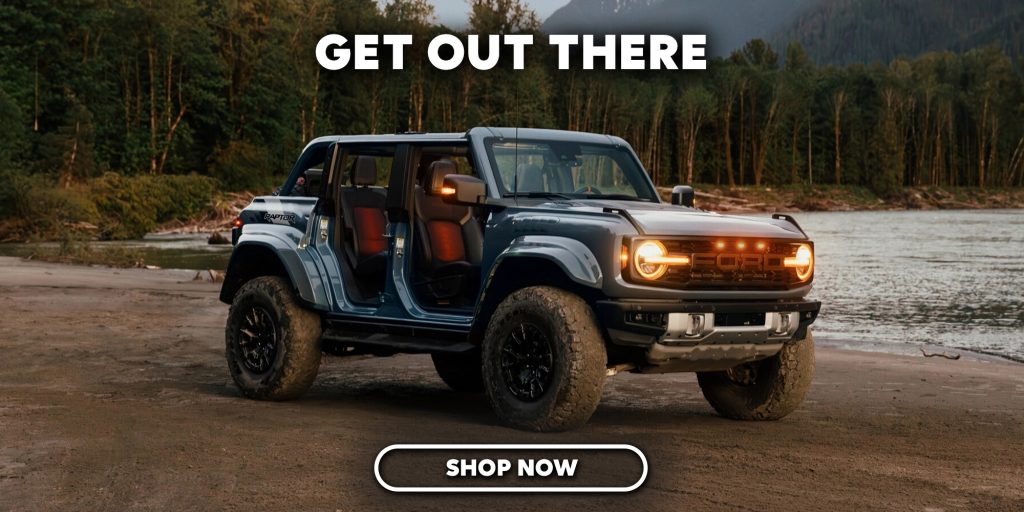
If you’re in the market for a bold, adventure-ready SUV, chances are the Ford Bronco vs. Chevy Blazer match-up has made your shortlist. Both SUVs bring distinctive styling and solid features, but if you’re looking for rugged capability backed by a legendary off-road reputation, one of these stands out from the rest. At Ken Wilson Ford, we’re breaking down this head-to-head comparison to help you decide which SUV is truly built for your journey.
Design That Makes a Statement
Let’s start with what you see first. The Ford Bronco embraces its iconic heritage with a boxy, utilitarian design, available removable doors and roof, and heavy-duty hardware that screams adventure. In contrast, the Chevy Blazer takes a more urban approach, featuring a sleek, sporty design inspired more by sedans than trail-ready vehicles.
When shoppers ask, “What’s the Chevy version of the Ford Bronco?,” the Chevy Blazer is often what comes to mind, but it’s important to note—Chevy’s Blazer is more of a stylish crossover than a direct off-road rival. If your idea of a perfect weekend includes mud, mountains, or beach trails, the Ford Bronco is the SUV that’s truly up for the challenge.
Beyond its rugged looks, the Ford Bronco stands out as a feature packed SUV, combining tough design with advanced features for drivers who want both style and capability.
Performance That Powers Adventure
In the Ford Bronco vs. Chevy Blazer specs comparison, the Ford Bronco comes out swinging. With up to 418 horsepower from its available 3.0L EcoBoost® engine in the Ford Bronco Raptor®, the Ford Bronco boasts more refined power and impressive engines that set it apart. Its standard 4×4 across the lineup means the Ford Bronco was built from the ground up for performance in the wild, offering a superior driving experience both on and off the road. Multiple G.O.A.T. Modes® (Goes Over Any Type of Terrain) give drivers the flexibility to tackle everything from sand to snow, ensuring the Ford Bronco’s wheel and traction systems handle whatever the road takes.
The Chevy Blazer, on the other hand, offers two engine options: a 2.0L turbo and a 3.6L V6, delivering up to 308 horsepower. The two vehicles’ powertrains differ not only in horsepower but also in torque, with the Ford Bronco’s powertrains providing greater torque for enhanced off-road capability. The Chevy Blazer comes standard as front-wheel drive, lacking the 4×4 capability of the Ford Bronco. While it performs well on pavement, it doesn’t match the off-road hardware, high ground clearance, or crawl capability that the Ford Bronco brings to the table. The Ford Bronco delivers more refined power and a superior driving experience, especially when the adventure takes you off the beaten path.
Versatility Meets Real Capability
The Ford Bronco vs. Chevy Blazer comparison becomes even clearer when you look at practical capability. The Ford Bronco offers two- and four-door configurations, removable panels, a washable interior with drain plugs, and a max towing capacity of 4,500 lbs. The Ford Bronco also stands out with its spacious and configurable interior, allowing you to adapt the cabin for passengers or cargo as needed. Behind the rear row and second row, the Ford Bronco provides greater cargo room than the Chevy Blazer, making it easy to pack luggage, camping supplies, and even bulkier adventure gear for your next trip. Its interior amenities and generous space are perfect for road trips with friends or family.
The Chevy Blazer? It’s limited to a more traditional five-passenger setup and caps towing at 4,500 lbs. as well with the top engine—without the same trail-rated credentials. Its cargo space and interior space do not reach the same level as the Ford Bronco, falling short in terms of cargo capacity and versatility.
If versatility and adventure-ready engineering are high on your priority list, the Ford Bronco doesn’t just compete—it dominates.
Durability and Reliability Where It Counts
Considering long-term value? Let’s talk Ford Bronco vs. Chevy Blazer reliability. The Ford Bronco has been engineered with serious durability in mind, riding on a body-on-frame chassis more commonly found in trucks. That design translates to stronger performance under stress and better long-term resilience in rugged conditions.
The Chevy Blazer, while generally reliable for daily driving, is based on a car-like unibody frame and prioritizes on-road comfort over rough-terrain toughness. If your lifestyle includes tough weather, back roads, or outdoor escapes, the Ford Bronco offers the kind of durability that gives you confidence for years to come.
Tech and Interior Comfort
Both the Ford Bronco and Chevy Blazer offer modern connectivity features like Apple CarPlay®, Android Auto™, touchscreen infotainment, and driver-assist systems. Both vehicles also come equipped with advanced infotainment systems and high-tech features that enhance connectivity, entertainment, and overall driving experience. The Ford Bronco’s infotainment system features a large in-car display that seamlessly connects smartphones, provides access to navigation, apps, and audio controls, and offers premium audio options. The available B&O® Sound System by Bang & Olufsen® includes twelve speakers, delivering high-end sound quality so you can enjoy your favorite songs with clarity and depth. In comparison, the Chevy Blazer offers a solid infotainment system with a user-friendly in-car display and available premium audio, but it falls short of the Ford Bronco’s advanced options and sound quality. While there are some Chevy Blazer offers on tech and audio packages, the Chevy Blazer’s system does not match the Ford Bronco’s twelve speakers or the immersive experience provided by the Bang & Olufsen system.
The Chevy Blazer focuses more on comfort than capability, with an interior geared toward daily commuting. It’s a great option for city dwellers but lacks the specialized features that make the Ford Bronco a true off-road companion.
Which SUV Wins? Ford Bronco vs. Chevy Blazer
So, which is better: Ford Bronco vs. Chevrolet Blazer? When you compare the Ford Bronco to the Chevrolet Blazer, it’s a close call—both SUVs offer impressive features and performance. However, the Ford Bronco is the better choice for most drivers, thanks to its superior off-road capabilities, advanced technology features, and versatile interior that’s perfect for both a quick trip around town and longer adventures.
Ready to experience how the Ford Bronco compares in person? Schedule a test drive at Ken Wilson Ford and start your trade-in process today for a seamless upgrade. While you’re here, explore our full selection of Ford vehicles, including the rugged Ford Bronco Sport and other exciting models. Discover why the Ford Bronco stands out as the better choice in the Ford Bronco vs. Chevrolet Blazer comparison.
Choose Your Heavy-Duty Truck
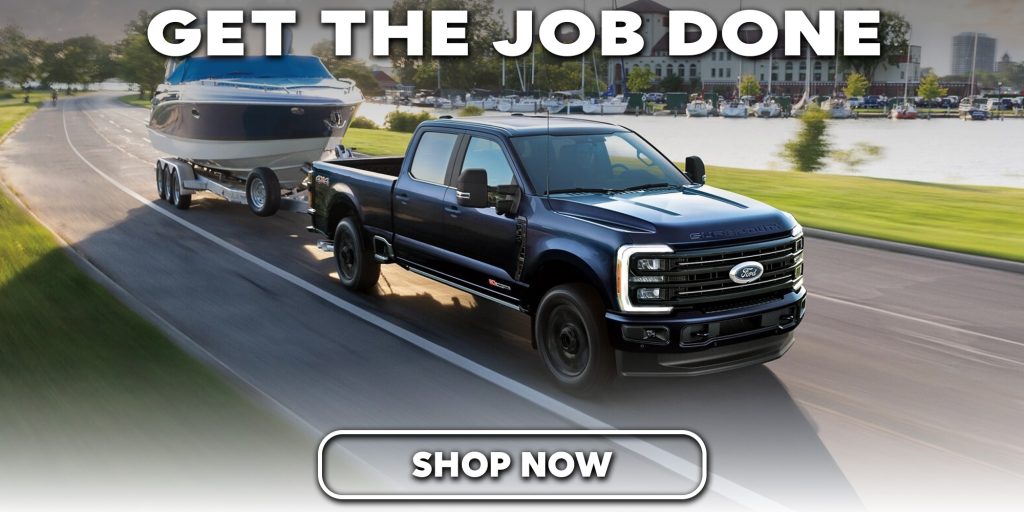
When you need muscle that doesn’t back down, only a heavy-duty truck will do—and two names stand at the top of the list: the Ford F-250 vs. Chevy Silverado 2500. These two vehicles are among the most popular choices for heavy-duty work. Whether you’re towing heavy loads, handling tough terrain, or putting in long hours on the job site, both vehicles bring serious capability to the table. But which vehicle is better equipped for the real world?
At Ken Wilson Ford, we’re breaking down everything from Ford F-250 vs. Silverado 2500 towing capacity for reliability and performance, so you can make a confident, informed decision. There’s a good reason these vehicles are often compared, given their strong reputations and impressive features. Spoiler alert: the Ford F-250 has more than a few advantages under its high-strength hood.
Power & Performance: Built Ford Tough®, Proven Ford Strong
The Ford F-250 offers multiple engine options to suit your needs. Choose from the 6.8L V8, a class-leading 7.3L V8 gas engine, or the legendary 6.7L Power Stroke® V8 Turbo Diesel, which cranks out up to 1,200 lb.-ft. of torque with the High-Output configuration. For those seeking enhanced off-roading capability, the available Tremor® Off-Road Package adds upgraded suspension, specialized axle configurations, and features designed for rough terrain and off-roading. Whether you’re trailering equipment or towing a camper cross-country, the Ford F-250 delivers relentless performance.
When it comes to towing and performance, the Ford F-250’s robust suspension and solid axle setup provide excellent ride quality and stability under heavy loads, while the Chevy Silverado 2500’s independent front suspension offers a different balance of comfort and handling. The Chevy Silverado 2500 also offers two engines—a 6.6L V8 gas and a 6.6L Duramax® Turbo-Diesel. Chevrolet’s approach to suspension and axle design emphasizes both off-road capability and on-road comfort. While powerful in their own right, they fall slightly short of Ford’s top torque numbers. Both trucks offer impressive max towing capacity and selectable drive modes help optimize performance for towing and off-roading scenarios. Simply put, when the work gets heavy, the Ford F-250 gets going.
Towing & Hauling: Ford F-250 vs. Chevy Silverado 2500 Towing Capacity
Here’s where things get serious. In the Ford F-250 vs. Chevy Silverado 2500 towing capacity matchup, the Ford F-250 comes out ahead when properly equipped. The Ford F-250 can tow up to 23,000 pounds with a gooseneck setup and offers a maximum payload rating of up to 4,246 pounds, depending on configuration. The available bed configurations on the Ford F-250 are designed to support a wide range of loads, making it easier to manage different cargo and hauling needs.
By comparison, the Chevy Silverado 2500 tops out at a max conventional towing capacity of around 22,070 pounds with the diesel engine and offers slightly less payload capacity. Ford’s advanced towing features—like available Pro Trailer Hitch Assist™, Smart Hitch, Onboard Scales, Pro Trailer Backup Assist, and trailer coverage—further simplify the process and give the Ford F-250 a clear advantage when every pound and second matters.
Blind spot monitoring with trailer coverage and other driver assistance technologies are also available, enhancing safety and providing extra assistance when towing heavy loads.
Durability & Reliability: Who Holds Up Better Over Time?
Let’s talk Ford F-250 vs. Chevy Silverado 2500 reliability. Ford’s Super Duty trucks have a long-standing reputation for outlasting the competition, and the Ford F-250 continues that legacy with a fully boxed high-strength steel frame and military-grade aluminum-alloy body. The aluminum body offers excellent rust resistance, similar to what you find in delivery vehicles, making it more durable against corrosion over time.
When you compare the rest of the truck’s construction to GM and other brands, Ford trucks stand out for their quality craftsmanship and reliable performance. The Ford F-250 is considered a reliable choice for long-term use, with a reputation for fewer issues and easier fixes compared to competitors.
While the Chevy Silverado 2500 also offers a strong build and dependable performance, many drivers find that Ford’s long-term reliability and lower maintenance costs make the Ford F-250 a smarter investment for serious work over the long haul. The cost of ownership is reduced thanks to fewer repairs, easier fixes, and warranty coverage that keeps owners covered for longer.
Technology & Interior: Tough on the Outside, Smart on the Inside
The Ford F-250 offers an interior that’s as capable as the powertrain. With available features like a 12-in. touchscreen, SYNC® 4 with enhanced voice recognition, a fully digital instrument cluster, and an available head-up display, Ford combines innovation with everyday usability. The connection between these technologies and enhanced safety is clear, as features like collision alert systems and driver assistance packages are designed to boost driver confidence and vehicle safety. You’ll also find an available Interior Work Surface for mobile productivity and available Max Recline Seats for the breaks in between. The floor layout is designed for comfort, with well-placed foot pedals and controls mounted for easy access.
The Ford F-250 is available in multiple cab configurations, including Crew Cab, SuperCab, and Regular Cab, allowing you to choose the right balance of interior space and comfort for your needs. Some features and packages are limited to certain trims or cab configurations, so it’s important to review options carefully.
The Chevy Silverado 2500 has also upped its tech game in recent years, offering a 13.4-in. infotainment screen and Google built-in. But Ford’s available onboard tools—likeFordPass® Connect with 5G Wi-Fi—make it easier to stay connected, informed, and in control, whether you’re behind the wheel or monitoring remotely.
Which Heavy-Duty Truck Is Best for You?
When it comes down to the Ford F-250 vs. Chevy Silverado 2500, both trucks are capable, confident, and ready to work. But if you’re looking for best-in-class towing capabilities, more powerful engine options, proven long-term durability, and smarter work-ready tech, the Ford F-250 stands tall.
Stop by Ken Wilson Ford today to see the Ford F-250 in action. From job sites to adventure spots, this heavy-duty beast is built to outperform—day in and day out.

Which Electric SUV Suits You?
As electric vehicles take over the modern road, the Ford Mustang Mach-E vs. Tesla Model Y debate continues to energize drivers seeking a stylish, high-tech, and high-performance SUV. These two EV titans bring different strengths to the table, but one stands out as the bold, driver-focused choice for real-world adventurers. From capability to comfort and charge time to self-driving capabilities, this Ford Mustang Mach-E vs. Tesla Model Y comparison highlights what matters most for EV buyers looking to make a smart switch, as well as car shoppers considering their options for the best overall value and features in a car. Read on with Ken Wilson Ford and discover which electric SUV deserves a place in your driveway.
A Statement in Motion
Design is the first impression, and in the Ford Mustang Mach-E vs. Tesla Model Y matchup, it’s a tale of iconic performance vs. futuristic functionality. The Ford Mustang Mach-E channels its Mustang roots with athletic lines, bold lighting elements, and a stance that says “let’s go.” Inside, a streamlined yet warm interior features soft-touch materials, available ambient lighting, and a tactile volume knob on its 15.5-inch display. The Ford Mustang Mach-E offers performance ActiveX™ upholstery, providing a premium feel, and the front seats are supportive and comfortable, with available heating for added luxury.
Meanwhile, the Tesla Model Y’s design is minimalistic and aerodynamic, inside and out. The dash features a clean layout dominated by a large central touchscreen, integrating most vehicle controls and information. While the cabin offers plenty of space, its lack of physical controls and stark dashboard layout isn’t for everyone. The Tesla Model Y comes standard with synthetic leather upholstery, and its front seats are heated and provide good support.
Both vehicles offer premium roof options: the Ford Mustang Mach-E is available with a panoramic sunroof, while the Tesla Model Y features a standard glass roof that enhances the sense of space and light in the cabin. For drivers who crave connection to the road and intuitive comfort, the Ford Mustang Mach-E offers a more engaging atmosphere from the start.
Built for Thrill-Seekers
The Ford Mustang Mach-E GT vs. Tesla Model Y Performance performance comparison brings real excitement. Both vehicles rely on powerful electric motors as the source of their impressive specs. The Ford Mustang Mach-E GT delivers up to 480 horsepower and 700 lb-ft of torque with the GT™ Performance Upgrade, allowing it to rocket from 0–60 MPH in just 3.3 seconds. Thanks to instant torque from its electric motors, acceleration is immediate and exhilarating. Its standard all-wheel drive (eAWD) system and MagneRide® damping system help it corner confidently and carve through curves with precision, minimizing body roll and providing a composed ride. The ride quality in the Ford Mustang Mach-E GT is sporty yet comfortable, absorbing road imperfections while maintaining sharp handling.
The Tesla Model Y Performance model also features dual electric motors and produces strong torque, offering quick acceleration—0–60 MPH in as little as 3.5 seconds—with instant torque for rapid response. It is available with all-wheel drive, which enhances traction and performance, while rear-wheel drive is offered on other Tesla Model Y variants for those prioritizing efficiency. In terms of handling, the Tesla Model Y Performance exhibits slightly more body roll than the Ford Mustang Mach-E GT, but still delivers a firm and engaging ride. Ride quality is firm, tuned for sporty driving, but some may find the Ford Mustang Mach-E GT more refined over rough surfaces.
Both vehicles offer performance upgrade options, such as the GT Performance Edition for the Ford Mustang Mach-E and Performance Upgrade for the Tesla Model Y, further enhancing acceleration and handling. For those seeking something unique, the Ford Mustang Mach-E Rally stands out as a special high-performance variant designed for adventurous driving. Additionally, long range models are available for both lineups, providing extended driving range for those who need more miles between charges.
Ford’s heritage in performance engineering shines in the Ford Mustang Mach-E GT, where power meets control and emotion meets innovation.
How Fast Can You Charge?
Charge time can make or break your EV experience, and when comparing Ford Mustang Mach-E charge time vs. Tesla, both offer competitive numbers, but with key differences. Tesla’s proprietary Tesla Supercharger network allows the Tesla Model Y to charge from 10% to 80% in about 25 minutes, providing a significant advantage in charging speed and convenience. The Ford Mustang Mach-E, using a DC fast charger, reaches the same level in approximately 33 minutes—but it’s backed by the BlueOval™ Charge Network, North America’s largest public charging network. That means more access, more flexibility, and more confidence on long trips.
When looking at efficiency, the Tesla Model Y and Ford Mustang Mach-E both offer strong battery efficiency, which impacts not only charging speed but also overall range and real-world usability. In terms of fuel economy, the Tesla Model Y achieves up to 125 MPGe combined, while the Ford Mustang Mach-E offers up to 103 MPGe combined, making efficiency a key factor in daily driving costs.
Looking at driving range, the Tesla Model Y Performance can travel up to an EPA-estimated 277 miles on a full charge, while the Ford Mustang Mach-E GT offers up to 280 miles, giving the Ford a few more miles per charge. Both vehicles offer various trims ranging in battery size and performance, with the Ford Mustang Mach-E providing an extended-range battery option up to 320 miles of range for those who need to maximize their driving range for longer trips. This variety in battery and range options means you can choose the configuration that best fits your needs.
Technology That Connects, Not Confuses
Technology should elevate your drive—not distract from it. In the Ford Mustang Mach-E vs. Tesla Model Y tech showdown, Ford’s SYNC® 4A system stands out for ease of use, intuitive voice controls, and compatibility with both Android Auto™ and Apple CarPlay®. Among its standard features, the Ford Mustang Mach-E offers a vertically mounted touchscreen, a customizable 10.2-inch digital cluster, and wireless device integration for seamless smartphone connectivity. Wireless device charging is standard, adding to the convenience features that enhance the overall driving experience.
Tesla’s interface is controlled almost entirely by its central screen, which controls everything from cabin temperature to wiper speed. This can feel futuristic to some and frustrating to others. For daily use, Ford’s blend of digital connectivity, tactile controls, and standard convenience features helps keep your attention where it belongs—on the road ahead.
Smarter Safety and Self-Driving Confidence
Advanced driver-assist features are a must, and both vehicles deliver—but the Ford Mustang Mach-E self driving vs. Tesla conversation reveals important differences. Tesla’s Autopilot and optional Full Self-Driving system rely on vision-only technology, and while advanced, it still requires attentive oversight.
The Ford Mustang Mach-E, on the other hand, offers BlueCruise, a hands-free highway driving system with eye tracking to ensure driver awareness. It operates on pre-qualified sections of divided highways and brings a sense of security without overpromising autonomy. The Ford Mustang Mach-E also includes a comprehensive suite of standard safety features such as Adaptive Cruise Control, automatic high beams, and rear cross-traffic alert, enhancing both convenience and safety. For added comfort, higher trims offer a heated steering wheel, making cold-weather driving more enjoyable. When it comes to balancing innovation with responsibility, Ford Mustang Mach-E self driving vs. Tesla swings in Ford’s favor for transparency and safety.
Versatility and Space Where You Need It
Whether you’re loading gear or packing for a weekend trip, space matters. The Tesla Model Y offers up to 76 cu.ft. of cargo space with the rear seats folded and optional third-row seating. Rear passengers in the Tesla Model Y benefit from superior legroom and foot space, enhancing comfort on longer journeys. The Ford Mustang Mach-E counters with a practical 59.7 cu.ft. of cargo room and a front trunk (frunk) that’s water-resistant and washable—perfect for muddy boots or chilled drinks. When it comes to seat comfort, the Tesla Model Y provides supportive front and rear seats with good ergonomics, while the Ford Mustang Mach-E’s seats are also well-cushioned but may feel firmer to some occupants. It’s a question of how you use your space, and for many, the Ford Mustang Mach-E’s thoughtful layout feels more tailored to everyday life.
The Right EV for the Right Life
In the end, the Ford Mustang Mach-E vs. Tesla Model Y comparison is about more than specs—it’s about lifestyle, variety, and value. The Ford Mustang Mach-E stands out with four trims, including the base model, Ford Mustang Mach-E Premium, and other enhanced model options, giving buyers a choice between base models for affordability and premium features for added luxury. The Mustang name brings a legacy of performance, now reimagined in an electric SUV with strong build quality and a range of models to suit different needs and budgets.
When comparing prices and overall price to value, the Ford Mustang Mach-E lineup offers competitive prices across its models, while Tesla’s Model Y is known for its advanced technology, charging network, and brand reputation. However, the Ford Mustang Mach-E Premium trim delivers premium features and build quality that rival Tesla’s offerings, making it a compelling choice for those seeking a balance of cost, amenities, and the iconic Mustang experience.
Test-drive the future today at Ken Wilson Ford and experience the thrill, comfort, and confidence of the Ford Mustang Mach-E—the electric SUV that was made with drivers in mind.
Connect with us

